NEWS CENTER
How to Select a Radar Level Meter for Small-Diameter Liquid Tanks: Beam Angle, Blind Zone and Installation Space
Huachuang measurement and control Huachuang measurement and Control Technology Co., Ltd 2026-09-16 13:36
In lubricant, chemical-liquid, process-water and other liquid storage applications, a small vessel diameter, crowded nozzles or limited roof space can make radar level measurement more dependent on installation quality. If the radar beam is too wide, or if the instrument is installed without considering the vessel wall, stiffeners, inlet pipe and other fixed structures, unwanted echoes may enter the measurement path. Typical symptoms include a jumping level, a display that does not follow the actual liquid surface or a fixed “level” that remains at the same position. For a small-diameter tank, selection should therefore start with the beam coverage, the distance between the highest liquid level and the blind zone, and whether the instrument can be installed on a suitable measurement axis.
A tank with visible surface disturbance requires another distinction: the engineer must separate real level changes from echo changes caused by the installation. Filling turbulence, agitation, internal pipes and supports may all change the reflected signal. Before selecting an instrument, collect the tank diameter and height, maximum and minimum levels, liquid name, process temperature and pressure, inlet location, roof-nozzle dimensions, internal obstacles and the output required by the control system. These conditions should be evaluated together with beam angle, blind-zone distance, mounting arrangement and communication interface. A product may appear suitable on paper but still become difficult to commission if the installation geometry is not considered.
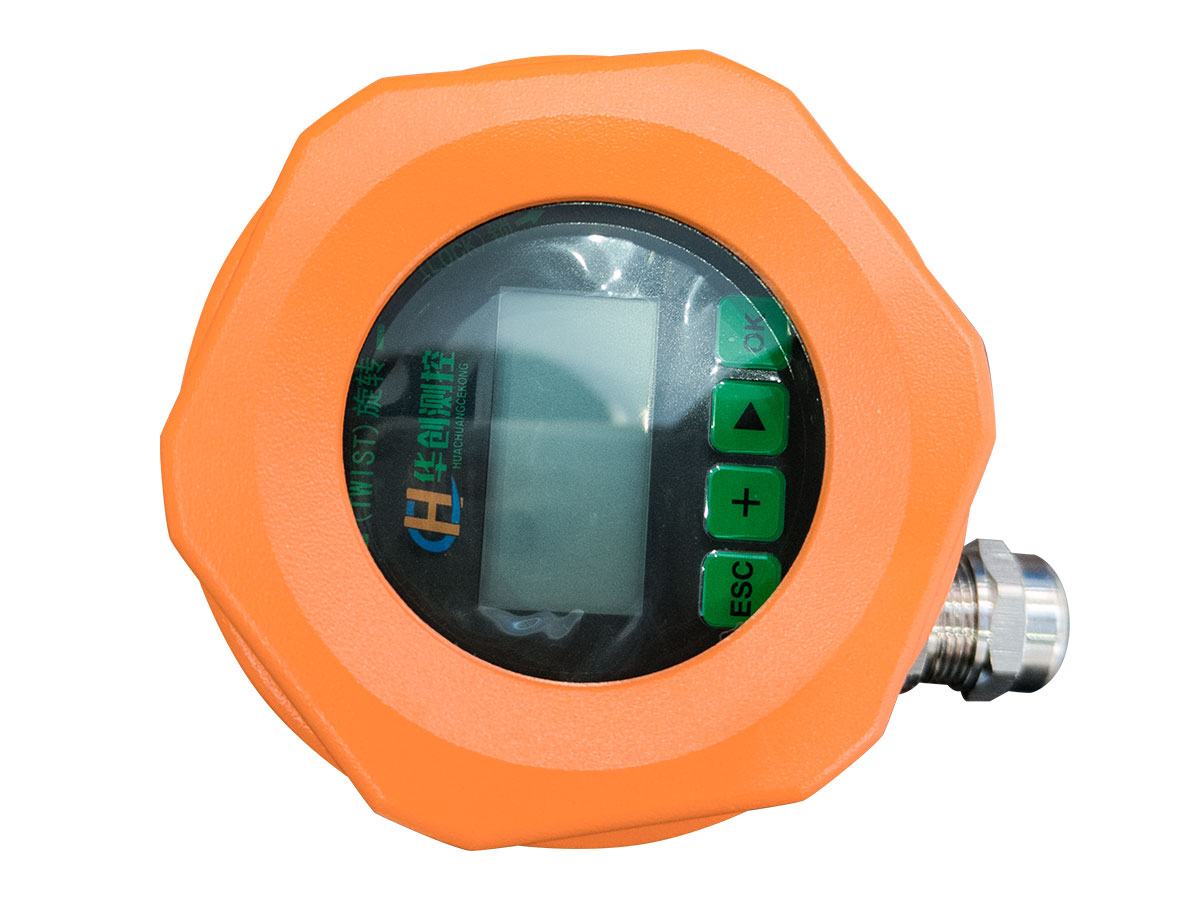
HCCK HCDAR-80S is intended for liquid measurement and is suitable for tanks with a small diameter and limited installation space. It belongs to the HCDAR-8x series, which uses 76–81 GHz frequency-modulated continuous-wave (FMCW) technology. The series has an antenna beam angle as small as approximately 3° and a minimum blind zone of 8 cm. For a small-diameter tank, the narrow beam helps concentrate the main measurement path toward the liquid surface and reduces the chance that the vessel wall or nearby fixed structures will dominate the return signal. The small blind zone is useful when checking the installation distance near a high liquid level, but the maximum level must still remain outside the instrument blind zone.
FMCW radar transmits a microwave signal whose frequency changes over time, receives the echo from the liquid surface and calculates distance from the frequency difference between the transmitted and received signals. A narrow beam does not mean that mounting position can be ignored, and a small blind zone does not remove the need for a safety margin. The actual range, process connection and output configuration of HCDAR-80S should be confirmed against the project information. The HCDAR-8x series offers two-wire 4–20mA, four-wire 4–20mA and RS485 output options; the final interface should be checked against the ordered model and the control-system requirements.
First, confirm the measurement axis. The radar antenna should be aimed as directly as possible at the liquid surface and kept away from the filling stream, agitator, heating coil, ladder and roof reinforcement. Second, check the distance between the highest liquid level and the sensor so that the nozzle length, installation height and blind zone leave sufficient margin. Third, compare the tank diameter and available mounting space. When only a few roof nozzles are available, evaluate whether the approximately 3° beam can avoid the vessel wall and internal obstacles. Fourth, select the interface according to the cabinet, PLC or remote monitoring system, such as 4–20mA or RS485. During commissioning, observe the signal under empty-tank, filling, stable-level and discharge conditions. The displayed change should follow the actual liquid-surface change, while fixed structural echoes should be identified and excluded.
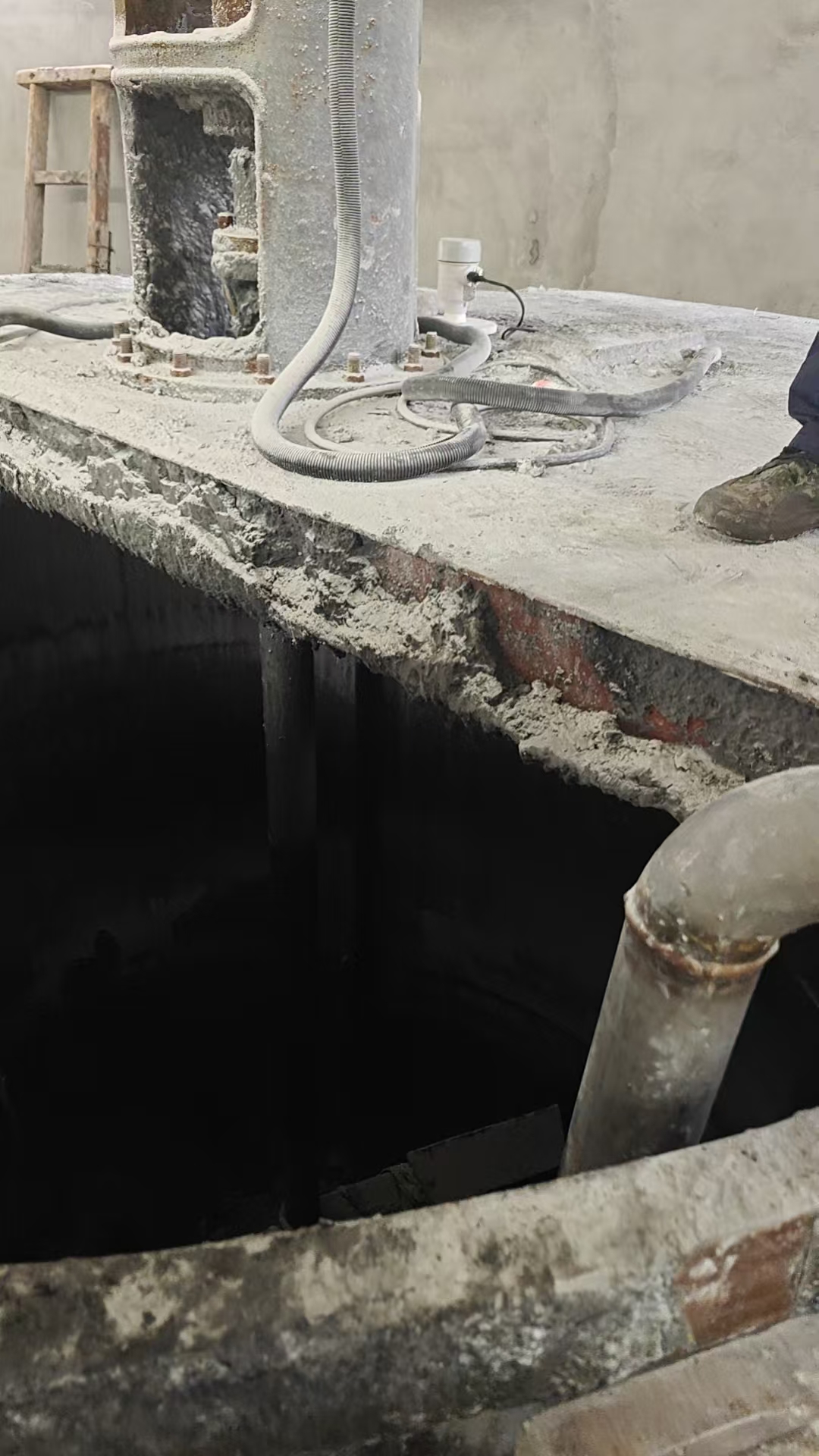
If a customer needs a radar level meter for a small-diameter tank, compact liquid vessel or restricted installation point, the selection request should include tank dimensions, liquid properties, measuring range, nozzle and flange photographs, internal structures, temperature, pressure and signal requirements. HCCK can then evaluate the suitability, mounting position and configuration of HCDAR-80S. Correct selection is not a comparison of one isolated parameter; it is the coordination of beam angle, blind zone, tank geometry and control-system interface to match the real measurement conditions.
For professional support, visit our Website at www.hhcck.cn/, contact our team via WhatsApp: +86 195 3225 4537, or Email: sales@hhcck.com.


South of Puhui Street, west of Guangsheng East Road, High tech Zone, Fengnan District, Tangshan City, Hebei Province





Technical support:

Tips
Submitted successfully
Back Index