NEWS CENTER
How Can Radar Solve Beam-Alignment Problems in Cement Clinker Silos with Inclined Material Surfaces and Heavy Dust?
Huachuang measurement and control Huachuang measurement and Control Technology Co., Ltd 2026-09-15 14:20
Cement clinker silos, slag silos and pulverized-coal bins often have large storage volumes. During filling and discharge, the bulk material can form an irregular cone or an inclined surface. At the same time, the process may involve high temperature, heavy dust, wall reflections, filling disturbances and internal structures. If a vertically installed radar level instrument is not well aligned with the actual material surface, the reflected signal may not return to the antenna consistently. Typical symptoms include weak echoes, level jumps, intermittent signal loss and a displayed level that does not follow the real change in material level.
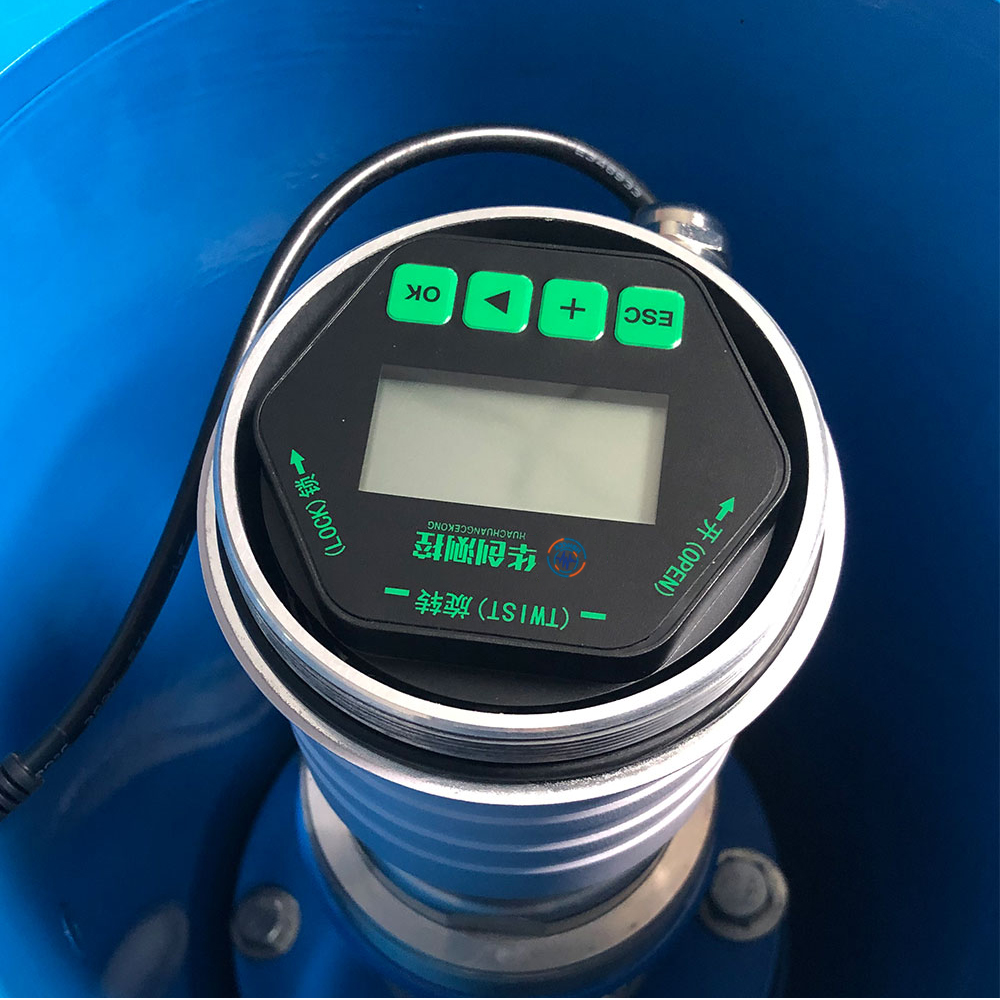
The solution is not simply to increase the measuring range or replace the instrument without analyzing the process. The silo structure, material flow direction, maximum and minimum levels, mounting nozzle and internal obstacles should be reviewed first. A solution-oriented selection should answer three questions: Can the radar identify the material surface in the dusty environment? Can the beam cover the main measurement area? If the material surface remains inclined, does the installation need an adjustable transmission direction? Stable measurement requires the instrument performance and the mounting structure to be designed together.
For a cement clinker silo where high temperature, dust and an inclined material surface occur together, HCDAR-82 uses 76–81 GHz FMCW technology to focus detection on the target area with an approximately 3° narrow beam and provides two-wire 4–20mA output. The narrow beam helps reduce the chance that the vessel wall, supports or other fixed structures dominate the main measurement path. FMCW calculates distance from the frequency difference between the transmitted and reflected signals, supporting continuous measurement of a solid material surface. The instrument is specified for liquid and solid measurement, while the final configuration should be selected according to the process conditions.
When the clinker surface remains clearly inclined, a vertical installation can leave the radar beam misaligned with the main reflecting surface, producing a weak echo or unstable level. HCDAR-82’s adjustable gimbal structure allows the transmitter angle to be set according to the actual material-surface direction, bringing the beam closer to the main reflection direction. This solves a process problem—not merely the mechanical problem of mounting an instrument. The adjustable structure is not required for every vessel; its use should be decided from the silo diameter, material pile angle, internal structures and installation conditions.
The first step is to create an installation-condition sheet covering silo diameter and height, material, pile shape, inlet position, discharge method, internal supports, dust, temperature and pressure. The second step is to select a mounting point away from the falling material stream and obvious fixed obstacles, while ensuring that the antenna and nozzle do not block the effective beam. The third step is to determine whether an adjustable gimbal structure is needed according to the long-term material-surface direction. If it is used, the angle should be locked after installation and the commissioning direction should be recorded. The fourth step is to observe echo behavior during an empty condition, filling, a stable level and discharge. This helps determine whether a fixed echo comes from the wall or an internal structure and whether the displayed level follows the material surface.
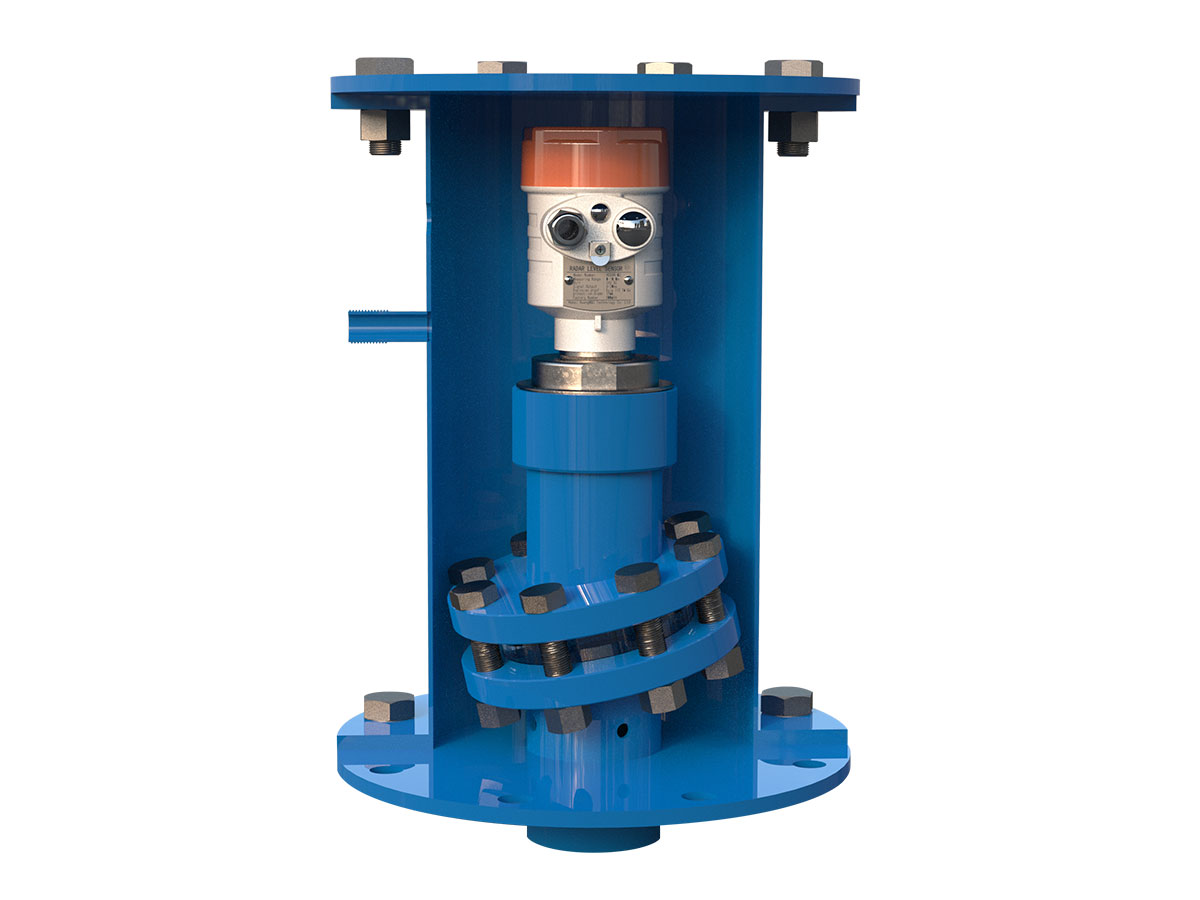
Acceptance should not rely on one instantaneous display value. Measurement stability should be observed at different levels and during different process stages. When requesting a solution from HCCK, the customer should provide silo dimensions, material pile angle, maximum and minimum levels, temperature, pressure, dust conditions, process connection, output requirements and site photographs. HCCK can then further evaluate the HCDAR-82 antenna arrangement, mounting structure, transmission direction and signal configuration. This turns the product discussion from “what are the features of an 80 GHz radar?” into a measurement solution focused on the actual pain point of a cement clinker silo.
For professional support, visit our Website at www.hhcck.cn/, contact our team via WhatsApp: +86 195 3225 4537, or Email: sales@hhcck.com.


South of Puhui Street, west of Guangsheng East Road, High tech Zone, Fengnan District, Tangshan City, Hebei Province





Technical support:

Tips
Submitted successfully
Back Index